
Home | Founder Story
Founder Story
After 18: The Truth About Life After Foster Care
Turning eighteen should not mean being left alone.
For many young people aging out of foster care, adulthood does not arrive gradually. It arrives all at once.
One day, there is a system around them, imperfect as it may be. The next, they may be expected to find housing, earn income, manage bills, arrange transportation, continue school or training, understand paperwork, and make adult decisions without the family support most young people still have.
No reliable place to land.
No parent to call.
No backup plan when something goes wrong.
That is the reality for too many young adults leaving foster care. The transition from foster care to adulthood can quickly become a path toward housing instability, homelessness, exploitation, isolation, and despair.
Floyd’s House will exist because no young person should have to face that kind of adulthood alone.
And for our founder, this mission is not theoretical.
It is personal.
You shouldn’t have to try to kill yourself to get help.

From No Place to Go, to an Open Door
Don Lawson knows what can happen when the system ends and no one is waiting on the other side.
When Don was 9 years old, his parents gave up custody of him. His childhood became years of movement, instability, foster placements, and the constant ache of not having a true home.
At 18, while he was still in high school, Don’s last foster family told him he could no longer stay because the State had stopped paying for his care.
He became homeless before he had the chance to finish school.
That is why Don earned a GED.
Not because he lacked ambition. Not because education did not matter to him. But because homelessness interrupted his senior year and left him trying to survive.
Later, through determination, help, and opportunity, Don went on to earn his bachelor’s degree from the University of Tennessee. But before that could happen, he had to live through hunger, homelessness, loneliness, and the crushing reality of being a teenager with no stable place to land.
At 19, overwhelmed and out of options, Don reached a breaking point and survived a suicide attempt.
Floyd’s House will exist to open the door earlier.
That experience became one of the deepest truths behind Floyd’s House:
“You should not have to try to kill yourself to get help.”
The Moment That Revealed the Gap
After Don survived a suicide attempt, he was placed inside systems that were supposed to help.
Some help was available. There were clinical programs. There were beds connected to addiction recovery. There were places designed for people who fit certain categories.
But Don’s deepest need was painfully simple.
He was homeless.
He was alone.
He was young.
And he had no safe place to go.
There was no clear path for a former foster youth who did not need to be punished, judged, or forced into the wrong box. He needed shelter, stability, guidance, and time to become an adult with support around him.
At one point, Don was even told to claim addiction so he could stay in a program longer and avoid being sent back to the streets.
That moment revealed the gap Floyd’s House is being built to fill.
Young adults aging out of foster care should not have to fit the wrong label just to receive the right kind of help.
The Door That Changed Everything
After leaving treatment, Don entered Hope Halfway House in Oak Ridge, Tennessee.
There, he met a young man named Scott Martin.
Scott did something that would change the course of Don’s life: he introduced Don to his family.
On August 24, 1989, Don moved into the home of Richard and Ruth-Ellen Martin. They did not treat him as a project, a case number, or an act of charity. They simply made room for him.
They gave him a bed.
They gave him a seat at the table.
They gave him time.
Most importantly, they gave him the chance to belong before he had done anything to earn it.
The Martins became Don’s chosen family. Their home showed him what stability felt like and what could happen when adults chose not to walk away from a young person who was still trying to find his footing.
They did not erase what had happened to him.
They changed what happened next.
That distinction became the foundation of Floyd’s House.
Building a Life
With stability beneath him, Don began building the life that homelessness had interrupted.
He earned his GED and later enrolled at the University of Tennessee, graduating with a bachelor’s degree in 1998.
He began a career in banking, where he worked from 1998 until 2006. He later spent approximately 16 years managing the law office of his wife, Cindy, helping build the systems and structure that allowed the firm to operate and grow.
Don and Cindy have been married for more than three decades. She knew him before the degree, before the career, before the financial success, and before he fully understood the extent to which his childhood was still living inside him.
Don’s professional life eventually took another unexpected turn during the COVID-19 pandemic.
He spent seven months teaching himself the Employee Retention Credit, a complicated federal tax incentive created to help businesses retain employees. He then spent another three months developing a spreadsheet system capable of performing the calculations accurately.
That preparation became an opportunity.
Don ultimately worked with more than 600 clients, helping businesses navigate a program few people initially understood. The work became extraordinarily successful and allowed him to retire at 54.
But retirement did not make him stop working.
It gave him the freedom to decide what his work would be for.
Understanding What Survival Left Behind
For much of his life, Don believed surviving his childhood meant he had moved beyond it.
He had earned a degree.
Built a career.
Created financial security.
Stayed married.
Helped other people.
By every visible measure, he had made it.
But trauma does not always disappear when circumstances improve.
Don continued to live with anxiety, depression, hypervigilance, nightmares, insomnia, and physical tremors connected to post-traumatic stress. His body continued reacting to dangers that his adult mind knew were no longer present.
He began working with a therapist and committed himself to understanding not only what had happened to him, but what those experiences had taught his nervous system to expect.
That work changed him.
It did not erase the past or produce a neat story in which everything was suddenly healed. It helped him understand that healing is not the same as forgetting and that strength is not the absence of pain.
Don describes it this way:
"I may never be healed, but I am healing."
Finding His Voice
As Don began examining his life more honestly, he also began writing.
What started as an effort to tell his own story became a much larger body of work exploring foster care, homelessness, trauma, poverty, usefulness, family, mental health, financial literacy, American life, and the complicated distance between surviving and feeling safe.
His memoir, OVERLOOK’D, tells the story of the child the system repeatedly failed to see and the adults who eventually opened their door to him.
His other books examine the lessons hidden inside his life: what poverty costs, how trauma shapes behavior, why people confuse usefulness with worth, what young adults need to know before they are expected to survive independently, and how ordinary people can become safe and reliable adults in someone else’s life.
Don has now written dozens of books and founded Open Door Press to bring that work into the world.
He does not write as a clinician, academic, or distant observer.
He writes as someone who lived through the consequences of systems that were never designed around the person standing directly in front of them.
Why Floyd's House Exists
Floyd’s House is the work Don believes his entire life has been preparing him to do.
It is being created as a secular, inclusive transitional home for young adults aging out of foster care or facing homelessness without a safe family structure behind them.
The young adults served by Floyd’s House will receive more than a bed.
They will receive stability, counseling, employment and educational support, financial education, transportation guidance, help obtaining important documents, assistance navigating healthcare and insurance, and practical instruction in the ordinary tasks of adult life.
They will learn how to budget, build credit, prepare meals, communicate with employers, resolve conflict, keep appointments, recover from mistakes, and ask for help before a crisis becomes a catastrophe.
The philosophy is simple:
A bed is not enough.
Floyd’s House will combine accountability with something many former foster youth have rarely experienced: the assurance that making a mistake does not automatically mean losing their home.
Residents will be expected to work, attend school, participate in counseling, remain drug- and alcohol-free, and take responsibility for their choices.
But accountability will not become abandonment.
At Floyd’s House, the door will not close merely because a young person is still learning how to walk through it.
The Kind of Help Don Believes In
Don does not see himself as a savior.
He knows how damaging it can be when assistance is centered around the person providing it rather than the person who needs it.
Floyd’s House is not being built so anyone can feel heroic.
It is being built because young adults need time, structure, trustworthy relationships, and room to become who they are capable of becoming.
The people who helped Don did not rescue him by taking control of his life.
They stood beside him while he learned how to build one.
That is the kind of help he wants Floyd’s House to provide.
Practical.
Respectful.
Consistent.
And still there tomorrow.
Where He Is Today
Today, Don lives in East Tennessee with Cindy and their dog, Alex.
He is an author, the founder of Open Door Press, and the founder of Floyd’s House.
He is also still the teenager who remembers what it felt like to have nowhere to go.
That memory is no longer only a source of pain.
It has become a source of direction.
Floyd’s House is the open door Don needed at 18: a place where a young person can be safe without pretending to be something they are not, receive help before reaching the breaking point, and learn how to build an independent life without being abandoned while they are still learning.
At 18, the system walks away.
We don’t.
18 Is Not A Plan
At 18, support should not disappear.
For young people aging out of foster care, the transition into adulthood can be one of the most vulnerable moments of their lives. They may be legally grown, but they are often still without stable housing, transportation, savings, family support, or someone to call when life goes wrong.
When foster care support ends too quickly, young adults can be left exposed to homelessness, exploitation, unsafe relationships, hunger, isolation, and despair.
If you are young, unhoused, and alone, you can fall through the cracks fast.
Floyd’s House will exist to stand in that gap.
We provide young adults leaving foster care with a safe place to live, practical life skills, steady mentorship, structure, and a real path forward.
What Real Help Looks Like
When people ask what happens when youth age out of foster care, the answer should not have to be homelessness, fear, exploitation, or tragedy.
The answer should be stability.
Dignity.
Support.
A real chance.
Real help is not just telling a young adult what they should do next. It is giving them a safe place to land while they learn how to do it. It is housing they can count on. Structure they can understand. Adults who keep showing up. Practical help with work, school, money, transportation, appointments, life skills, and the daily responsibilities of adulthood.
Real help means a young person does not have to face every mistake, setback, bill, form, interview, or crisis alone.
That is what Floyd’s House is being built to provide.
Not just a pamphlet.
Not just a phone number.
Not just advice from a distance.
"A safe place. A steady hand. A real plan. A home."
Meet the Founder
After entering foster care as a child, Don aged out without the stable support most young people still have at eighteen. He was still in high school when he became homeless, forcing him to leave school and earn a GED instead.
He later went on to earn a bachelor’s degree from the University of Tennessee, but he never forgot what it felt like to be young, alone, and without a safe place to land.
That experience became the heart of Floyd’s House.
Don’s belief is simple:
“You shouldn’t have to try to kill yourself to get help.”
Today, his role is to help build the kind of open door he once needed: a safe home, steady support, practical guidance, and a real chance for young adults aging out of foster care.
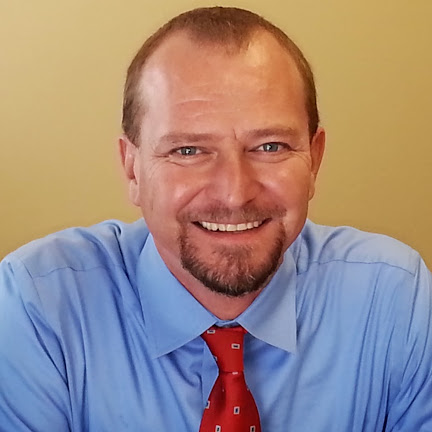
Don Lawson
Founder of Floyd’s House
Don Lawson founded Floyd’s House from lived experience.
Common Questions, Clear Answers
Who founded Floyd’s House?
Floyd’s House was founded by Don Lawson, a former foster youth who understands this mission from lived experience.
Don knows what can happen when a young person reaches eighteen and the support around them disappears too soon.
Why is Don Building Floyd's House
The reason Don is building Floyd’s House because he knows what it feels like to enter adulthood without a safe place to land.
What personal experiences shaped Don’s vision?
Don’s vision was shaped by abandonment, foster care, homelessness, hunger, isolation, and the painful gap between needing help and knowing where help was supposed to come from.
Because homelessness interrupted his education, Don earned a GED instead of finishing high school in the traditional way. He later went on to earn a bachelor’s degree from the University of Tennessee.
At nineteen, while homeless and in crisis, Don survived a suicide attempt. Help eventually came, but it came too late and through systems that were not built for what he truly needed: safety, stability, guidance, and a real place to land.
Later, the Martin family opened their home to Don and gave him the structure, stability, and steady support he had been missing.
That experience became the heart of Floyd’s House.
Don is building Floyd’s House to open the door earlier for young adults aging out of foster care.
Join Us in Opening the Door
The story of young adults aging out of foster care does not have to end in homelessness, isolation, or despair.
It can end differently.
With a safe place to land.
With steady adults.
With structure, dignity, and a real chance to build a life.
Floyd’s House is being built for young adults who need more than good wishes. They need housing, guidance, life skills, mentorship, and a community willing to stand behind them as they move toward independence.
You can be part of that open door.